Deoksugung Palace
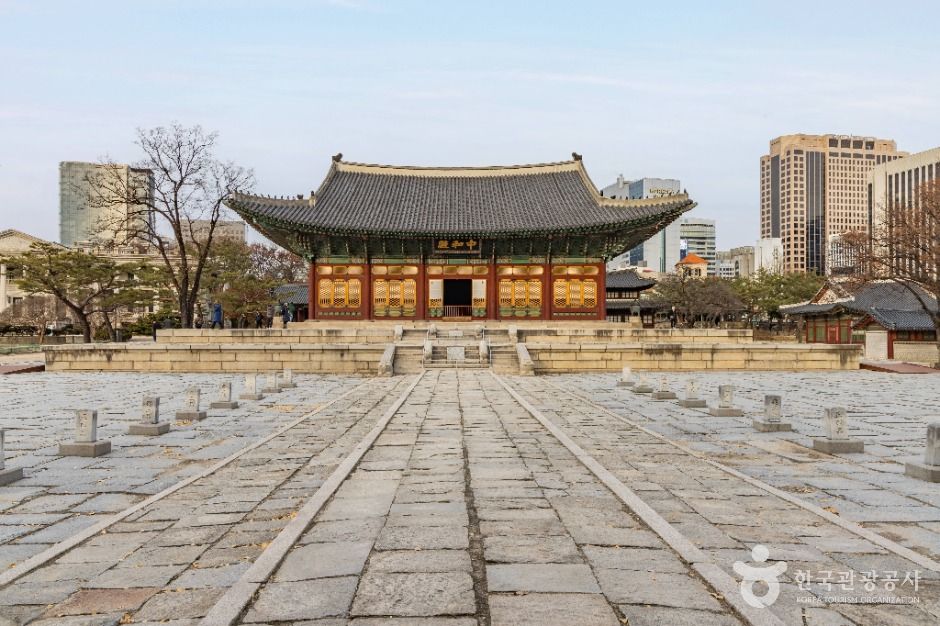
Curator's Guide & Overview
Comprehensive Guide1. Seat of the Korean Empire & Modern Sovereignty
Originally named Gyeongungung, Deoksugung served as the imperial epicenter where Emperor Gojong boldly proclaimed the establishment of the Korean Empire in 1897 to protect national independence amid rising imperialist pressures. Junghwajeon Hall, featuring golden-yellow eaves symbolizing imperial status, reflects this defining era of modern Korean history.
2. Architectural Fusion: Traditional Woodcraft Meets Seokjojeon
A defining hallmark of Deoksugung is Seokjojeon, an authentic neoclassical stone edifice designed by British architect G.R. Harding and completed in 1910. Accompanied by a European fountain garden, Seokjojeon now houses the Daehan Empire Historical Museum, offering a rare aesthetic contrast between classical Korean brackets and Greco-Roman Ionic colonnades.
3. Night Illuminations & Romantic Stone Wall Walk
Deoksugung is uniquely open for evening viewings until 21:00 without special seasonal tickets, illuminating the throne hall against the neon backdrop of downtown Seoul. The adjacent Deoksugung Stone-Wall Walkway (Doldam-gil) is a tranquil pedestrian avenue adorned with seasonal foliage, street artists, and outdoor cafes. Accessed directly via City Hall Station (Lines 1 & 2).
Essential Visitor Facts
Seoul Metro Line 1 or 2, City Hall Station, Exit 1 or 2 (1 min walk directly in front)
Full wheelchair accessibility throughout stone-paved courtyards; accessible restrooms in administration wing.
Location Coordinates
Discover Themes & Highlights
Key interest areas and cultural highlights:
Community Traveler Reviews1 Review
Visitor tips, feedback, and questions submitted by real travelers.
Visiting Deoksugung Palace was one of the true highlights of my journey in Seoul. Easy access via public transit, remarkably well-maintained grounds, and authentic local food nearby.
Connected Cultural Destinations
Handpicked nearby attractions and regional cultural highlights.

Gyeongbokgung Palace
경복궁Gyeongbokgung Palace is the grandest royal palace of the Joseon Dynasty, established in 1395 in northern Seoul. Framed by Mount Baegaksan, its majestic grounds encompass Geunjeongjeon Throne Hall, ...
N Seoul Tower (Namsan)
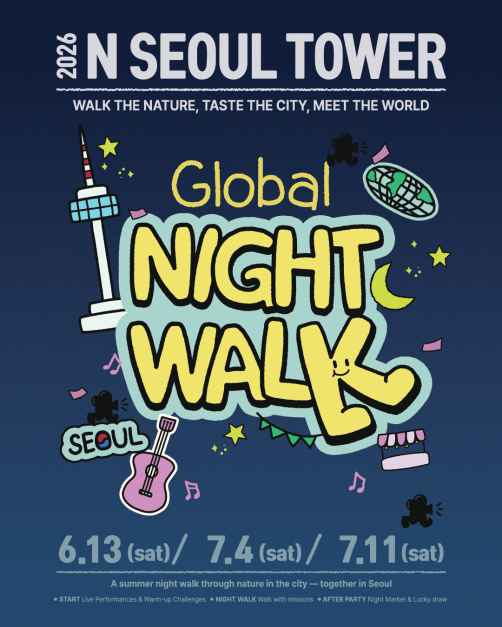
N서울타워N Seoul Tower rises 479 meters above sea level atop Mount Namsan, serving as an iconic metropolitan transmission tower and observation landmark since 1980. The tower offers uninterrupted 360-degree...
Bukchon Hanok Village
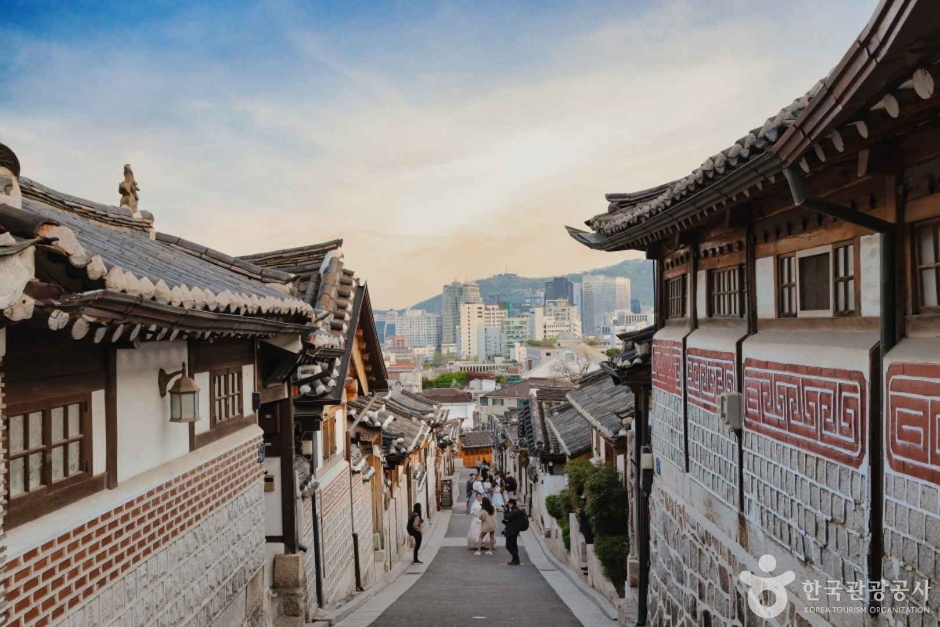
북촌한옥마을Bukchon Hanok Village is a preserved historic residential neighborhood nestled between Gyeongbokgung and Changdeokgung palaces. Preserving over 600 years of Seoul urban history, Bukchon features hu...
Gwangjang Market
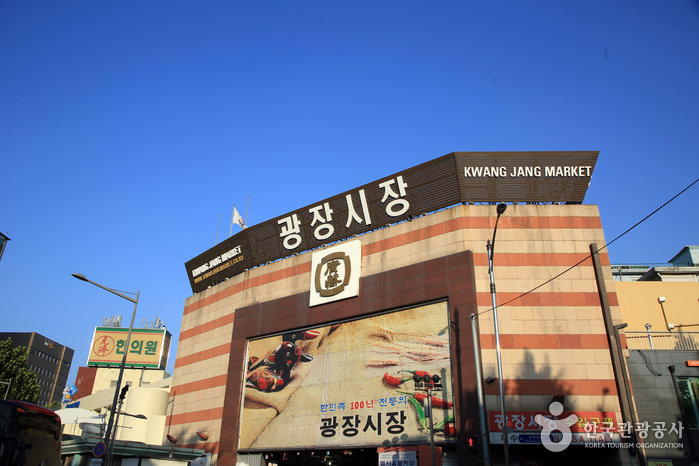
광장시장Gwangjang Market is South Korea’s oldest continuously operating permanent traditional market, founded in 1905 in the heart of Jongno. Renowned worldwide for its bustling food alleys, the market ser...